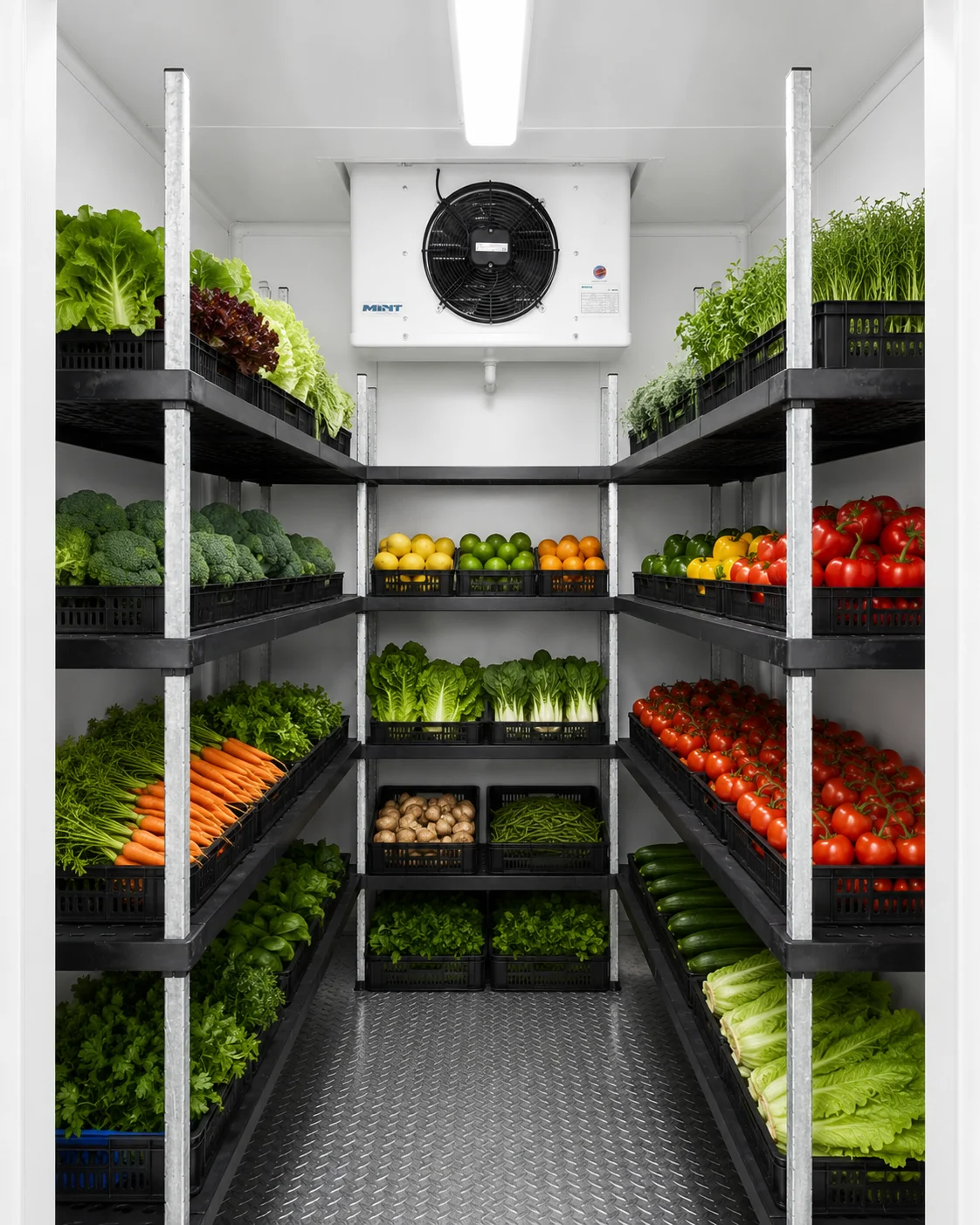
The right choice depends on how long you need the storage
When a business needs extra cold storage, the first question is usually whether to hire or buy. There is no single answer. The right choice depends on how long you need the storage, how certain your future requirement is, how much capital you want to commit and whether your site is ready for a permanent solution.
Cold room hire can make sense when you need extra capacity without locking up capital. Buying can make sense when the storage need is permanent and the business wants ownership. Ex-hire units can sit between the two, giving businesses a lower-cost ownership option.
Before deciding, look at the commercial reality: stock volume, site access, power, expected length of use, maintenance responsibility and whether the storage requirement may change.
When cold room hire makes sense
Cold room hire is often the better option when your business needs extra chilled or frozen storage for months, renovations, overflow stock, growth or longer-term site requirements, but does not want to buy a permanent asset.
Monthly hire gives a business practical storage capacity without the upfront cost of buying a unit or building a fixed cold room. It can also reduce the risk of buying the wrong size before the business fully understands its long-term storage requirement.
Hiring may suit businesses that are expanding, moving sites, upgrading kitchens, testing a new product line, dealing with increased stock volumes or needing extra capacity while deciding whether a permanent build is justified.
The main benefit is flexibility. You get commercial storage capacity without making a large capital decision too early.
When buying a new cold room makes sense
Buying new can make sense when the storage need is long-term, stable and unlikely to change. If your business knows the size, temperature range, site location and usage pattern, ownership may be the better commercial decision.
A new cold room, freezer room or dual-temperature unit can suit businesses that want a known specification, clean presentation, selected configuration and long-term use from day one.
Buying new may be suitable for cafés, restaurants, supermarkets, aged-care kitchens, food production businesses, butchers, seafood businesses, wholesalers and other commercial users with a permanent cold storage requirement.
The trade-off is capital. Buying new usually means a higher upfront cost and the owner becomes responsible for maintenance, repairs, power suitability, site suitability and long-term asset management.
When buying ex-hire makes sense
Buying an ex-hire cold room can be a practical middle ground. It gives the business ownership at a lower cost than buying new, while still providing access to commercial-grade cold storage.
Ex-hire units may suit businesses that want to own a cold room, freezer room or dual-temperature unit but are comfortable buying a unit that has been previously used in a commercial hire fleet.
The key is inspection. An ex-hire unit should be assessed for condition, age, temperature suitability, door seals, flooring, panels, refrigeration system, power requirements and whether it suits the site.
Ex-hire stock changes regularly, so availability, configuration, size and condition will vary. It is a good option when the right unit is available at the right time.
When a custom build makes sense
A custom build may be the right option when a standard unit will not properly fit the site, stock profile or operating process.
Custom cold rooms, freezer rooms and dual-temperature units can be configured around available space, access, workflow, temperature requirements, door placement, shelving, ramps, strip curtains and other site-specific needs.
This option is usually best for businesses with unusual layouts, limited access, specific product storage requirements or a need for a planned chilled and frozen storage setup.
The benefit is better fit. The trade-off is time, design input, cost and the need to confirm site suitability before proceeding.
Cost is not just the purchase price
The cheapest option upfront is not always the lowest-cost option overall. A cold room that is too small can slow staff down, block access, increase door-open time and create temperature control problems. A unit that is too large can waste space and power.
For hire, look beyond the monthly rate. Consider delivery, setup, service distance, access, power requirements, minimum hire terms and whether maintenance support is included within the supplier’s service area.
For purchase, consider the full ownership cost: purchase price, delivery, installation, power, repairs, maintenance, downtime risk, relocation cost and whether the unit will still suit the business in three to five years.
The better decision is the one that fits the storage requirement, not simply the option with the lowest headline price.
Compare hire, new, ex-hire and custom builds
| Option | Best suited to | Main advantage | Main trade-off |
|---|---|---|---|
| Monthly hire | Businesses needing extra capacity for months or longer | Lower upfront cost and more flexibility | Ongoing monthly cost |
| Buy new | Businesses with a stable long-term need | Ownership and known specification | Higher upfront capital cost |
| Buy ex-hire | Businesses wanting ownership at lower cost | Lower purchase price than new | Availability and condition vary |
| Custom build | Businesses with unusual site or storage needs | Best fit for site and workflow | Longer lead time and higher design input |
Questions to ask before deciding
Before choosing whether to hire or buy, answer these questions:
- How long do we realistically need the extra storage?
- Is the requirement temporary, uncertain or permanent?
- Do we need chilled, frozen or dual-temperature storage?
- What stock will be stored?
- What is the maximum stock volume on our busiest day?
- Do we have suitable power available?
- Is the proposed site accessible for delivery and setup?
- Do we want to preserve cash or own the asset?
- Who will maintain the unit if we buy it?
- Could the business outgrow this unit within 12 to 24 months?
These questions usually make the decision clearer. If the need is uncertain, hire may be safer. If the need is permanent and clearly defined, buying may be better. If the site is unusual, custom may be the right path.
Hire may suit growing businesses
Growth often creates cold storage pressure before the business is ready for a permanent build. A restaurant may add new menu lines. A supermarket may need more chilled drinks or produce storage. A food manufacturer may increase output before moving to a larger site.
In these situations, monthly hire can give the business room to operate while it works out the real long-term requirement.
This avoids committing too early to a fixed size, fixed layout or permanent asset that may not suit the business later.
Buying may suit established storage needs
Buying is often more attractive when the business has a stable and ongoing storage requirement. If the site is fixed, the product mix is known and the required size is unlikely to change, ownership may make better sense over time.
A new or ex-hire unit can give the business control over the asset and avoid ongoing monthly hire costs.
The business should still confirm site suitability, access, power and maintenance arrangements before purchase. Owning the unit also means owning the responsibility for keeping it operating.
The simple rule
If the need is uncertain, changing or linked to growth, monthly hire is usually the safer starting point.
If the need is permanent, well understood and site-ready, buying new or ex-hire may be the better long-term decision.
If standard units do not fit the site or workflow, a custom build may be the better commercial solution.
Need help choosing the right option?
Koolacube supplies commercial cold rooms, freezer rooms and dual-temperature units for long-term hire, new purchase, ex-hire purchase and custom builds.
Tell us what you need to store, how long you need the storage, where the unit will go and what power is available. We can help compare hire, buy new, buy ex-hire and custom options based on your business need, site access, power supply and unit availability.
Need extra commercial cold storage? View our hire and buy options or contact Koolacube for practical advice.